
Designing for Construction in Remote and Extreme Conditions
V G • Feb 22,2025
Summary:
Utilizing AI-powered solution, a design firm successfully navigated environmental and logistical constraints to deliver a sustainable community space.
Client:
Architects Alaska is a design firm established in 1950 specializing in infrastructure development for remote and extreme environments, such as Arctic regions, deserts, and mountainous terrains.
Problem Statement:
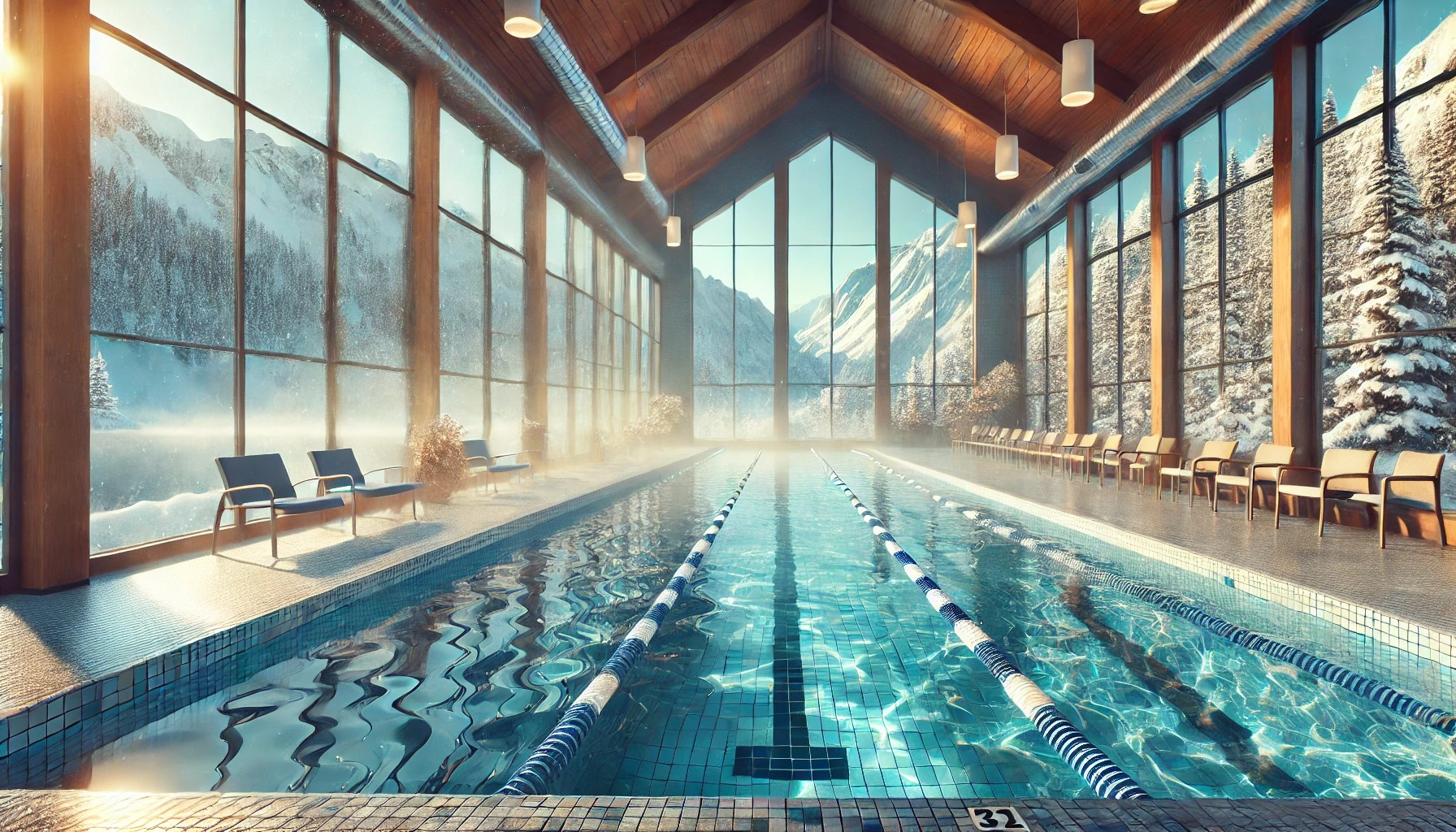
Architects Alaska faced the unique challenge of designing the Yukon-Kuskokwim (YK) Fitness Center in Bethel, Alaska—a remote location accessible only by air or river. The project required innovative solutions to construct a 23,000-square-foot facility, including an above-ground concrete pool, on permafrost terrain.
Designing a fitness center with an indoor pool in Bethel, Alaska, presented several challenges:
- Permafrost Terrain: The permanently frozen ground necessitated an above-ground structure to prevent thawing and ensure stability.
- Remote Location: Bethel’s inaccessibility by road required meticulous planning for material transportation and construction logistics.
- Community Needs: Addressing local concerns, including a high drowning rate and limited indoor recreational facilities, was paramount.
Results:
- Improved Design Accuracy: AutoCAD’s precision tools enabled the creation of detailed, error-free designs tailored to extreme conditions.
- Faster Project Delivery: Streamlined workflows and automated design processes reduced project timelines.
- Sustainable Features: A passive cooling system utilizing cold air to stabilize the permafrost, reducing environmental impact.
- Community Impact: A vital recreational facility offering swimming lessons and fitness programs, contributing to improved public health and safety.
AI Solution Overview:
While the project primarily utilized AutoCAD for design and planning, the integration of AI-driven tools could further enhance such projects by:
- Optimizing Structural Design: AI algorithms can analyze environmental data to recommend structural designs that adapt to permafrost conditions.
- Logistics Planning: AI can assist in optimizing supply chain and transportation routes, crucial for remote locations.
- Sustainability Modeling: AI tools can simulate energy consumption and environmental impact, aiding in the design of eco-friendly facilities.
References:
- ARCHITECTS ALASKA. Designing for construction in remote and extreme conditions. https://www.autodesk.com/customer-stories/architects-alaska-autocad
- AutoCAD Official Website. https://www.autodesk.com/products/autocad
- Generative Design in Construction. https://www.autodesk.com/solutions/generative-design
Industry: Architecture and Construction
Vendor: Autodesk
Client: Architects Alaska